Blog

When buying a home, it’s easy to focus on the purchase price and mortgage payment. But your monthly housing costs can include much more than principal and interest. Property taxes and HOA fees can have a significant impact on your overall budget—and they are expenses every buyer should understand before making an offer. Whether you're buying your first home or moving to a new community, knowing these costs upfront can help you make a smarter and more comfortable decision. Understanding Property Taxes California property taxes are generally based on the assessed value of the property. When you purchase a home, the property is typically reassessed based on the purchase price, which can affect your future tax bill. A common starting point for estimating California property taxes is approximately 1% of the assessed value , but the actual amount can be higher because of voter-approved bonds, assessments, and other local charges. For example, if you purchase a home for $1,000,000, you shouldn't automatically assume your annual property tax will be exactly $10,000. Additional local assessments can increase the total. Why This Matters for Buyers Two homes with similar purchase prices can have different total property-tax bills depending on their location and applicable assessments. Before buying, ask: What is the estimated annual property tax? Are there special assessments or Mello-Roos taxes? Does the property have other local assessments? What will the estimated tax payment be after the purchase? Is the property located in a special tax district? Tip: Don't rely solely on the seller's current tax bill. A buyer's future assessment may be different after the purchase. What Are HOA Fees? If you're purchasing a condominium, townhouse, or home within a planned community, you may be required to pay Homeowners Association (HOA) dues . HOA fees help pay for the maintenance and operation of shared community amenities and areas. Depending on the community, dues may cover things such as: Landscaping and common-area maintenance Community pools and recreation areas 🏊 Clubhouses and fitness facilities Exterior building maintenance Roof maintenance in some communities Insurance for common areas Security or gated-community services Reserve funding for future repairs HOA fees can vary dramatically from one community to another, so it's important to look beyond the monthly amount. What Buyers Should Review Before Purchasing An HOA fee isn't necessarily a bad thing—but buyers should understand what they're paying for and the financial health of the association. Before removing contingencies or moving forward with a purchase, review the available HOA documents and pay attention to: Monthly or quarterly dues: Know exactly what you'll be responsible for paying. What the HOA covers: Services and maintenance can vary significantly between communities. Reserve funds: Healthy reserves can help an association prepare for major future repairs. Special assessments: An HOA may impose an additional charge when unexpected or major expenses arise. Rules and restrictions: Review the CC&Rs and HOA rules to make sure they fit your lifestyle. Pending litigation or major projects: These can potentially affect the association and its homeowners. Don't Forget About the Total Monthly Payment When determining what you can comfortably afford, think beyond the mortgage. Your overall monthly housing expense may include: Mortgage + Property Taxes + Homeowners Insurance + HOA Dues + Other Property Expenses For example, a home with a lower purchase price but a high HOA fee may not necessarily be less expensive month-to-month than a slightly more expensive home with no HOA. That's why comparing homes based solely on the list price can sometimes be misleading. Local Taxes Can Make a Difference Here in the Bay Area, buyers may encounter different property-tax rates, assessments, and HOA structures depending on the city and community. Whether you're looking in Pleasanton, Dublin, Livermore, Danville, San Ramon, Fremont, or surrounding communities , it's important to evaluate the complete cost of ownership—not just the asking price. The Bottom Line Buying a home is about more than finding the right price. It's about understanding the full financial picture . Before making an offer, make sure you know: ✔️ Estimated property taxes ✔️ HOA dues, if applicable ✔️ What the HOA covers ✔️ Potential special assessments ✔️ Community rules and restrictions ✔️ Your estimated total monthly housing cost The right home should fit not only your lifestyle but also your budget. Thinking about buying a home in the Bay Area? I can help you understand the costs, compare communities, and navigate the process from start to finish. Let's make sure you know what you're getting into before you make one of the biggest purchases of your life.

LABOR DAY WEEKEND PLANS
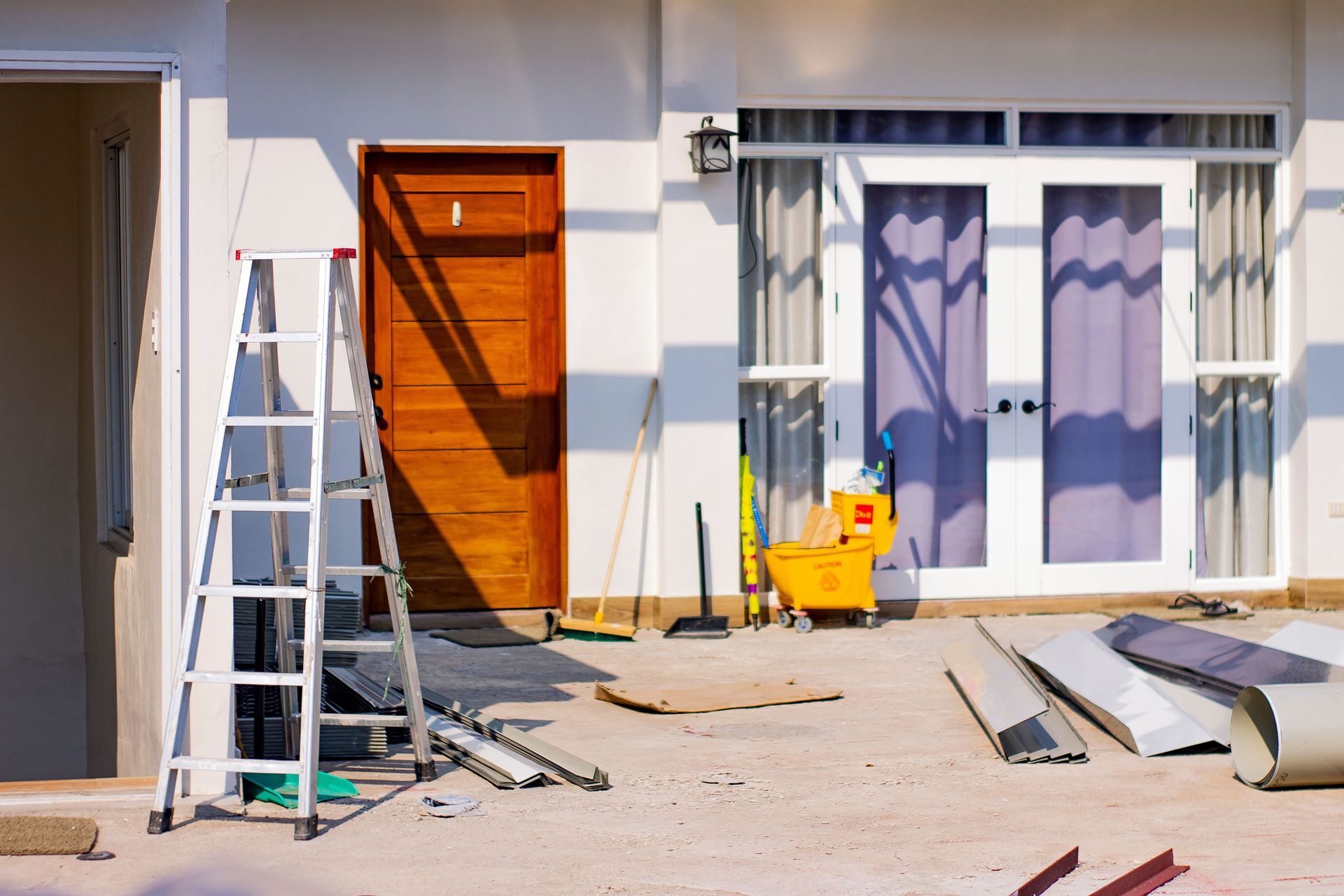
Home Improvements That Can Increase Your Property’s Value
AI in Real Estate: The Future Is Here

Finding your dream home can feel overwhelming when demand is high, inventory is limited, and other buyers are ready to move quickly. But a competitive market doesn’t mean you have to settle. With the right strategy, preparation, and patience, you can improve your chances of finding and securing a home that fits your lifestyle and budget. 1. Know Exactly What You Want Before you start touring homes, define your priorities. Consider location, number of bedrooms, property size, commute, schools, neighborhood amenities, and must-have features. Separate your list into three categories: Must-haves: Features you cannot compromise on. Nice-to-haves: Features you would love but can live without. Deal-breakers: Issues that would make you walk away. Having clear priorities helps you make faster, more confident decisions when the right property appears. 2. Get Your Finances Ready In a competitive market, preparation can make your offer stand out. Speak with a lender early, understand how much you can comfortably afford, and obtain mortgage pre-approval if you plan to finance the purchase. Remember that your budget should account for more than the purchase price. Consider property taxes, insurance, maintenance, closing costs, and potential renovations. 3. Choose the Right Location A dream home isn't just about the house itself. The surrounding community can have a major impact on your daily life and the property's long-term value. Research neighborhoods based on factors such as: Commute times Schools and education options Local amenities Parks and recreation Future development Property values Neighborhood atmosphere If your preferred neighborhood is highly competitive, consider nearby areas that offer similar benefits at a potentially lower price. 4. Work With a Local Real Estate Professional An experienced real estate agent can give you valuable insight into local market conditions, recently sold properties, pricing trends, and upcoming listings. In a fast-moving market, having someone who can alert you to new opportunities and help you prepare a strong offer can make a significant difference. 5. Be Ready to Act Quickly Great properties can attract multiple offers within a short period. Once you find a home that meets your priorities, be prepared to make a decision. This doesn't mean rushing into a purchase. It means completing your financial preparation and knowing your limits before you begin shopping, so you can act confidently when the right opportunity comes along. 6. Make a Strong but Sensible Offer Price is important, but it isn't always the only factor sellers consider. A well-prepared offer with appropriate terms can make your proposal more attractive. Depending on your circumstances and local rules, factors such as financing strength, closing timeline, and contingencies may influence how competitive your offer is. Always avoid offering more than you can comfortably afford simply because you're competing with other buyers. 7. Don't Let Competition Push You Into the Wrong Home One of the biggest mistakes buyers can make is becoming emotionally attached to winning rather than finding the right property. If a home exceeds your budget or has significant problems that you're not prepared to handle, walking away may be the smartest decision. There will be other opportunities. The goal isn't simply to buy a house. It's to find a home that works for your finances, lifestyle, and future plans. 8. Stay Patient and Flexible Finding a dream home may take time. You may lose out on a property you loved, but that doesn't necessarily mean you've missed your opportunity. Stay open to adjusting less important preferences, exploring nearby neighborhoods, or considering different property types. Flexibility can significantly expand your options without requiring you to compromise on what matters most. Final Thoughts Buying a home in a competitive market requires preparation, realistic expectations, and a clear strategy. Know your budget, understand your priorities, research the market, and be ready to act when the right opportunity appears. Most importantly, don't let market competition pressure you into making a decision you'll regret. Your dream home is worth searching for—but the best purchase is one that feels right both emotionally and financially.
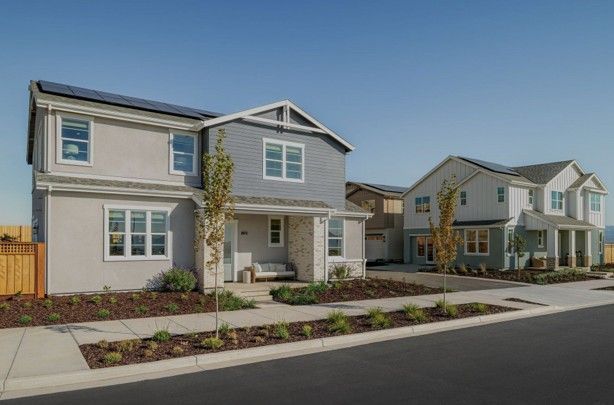
Current listing data shows, for example, a 2,411-SF Parkton around $1.599M, 2,470-SF Marigold starting around $1.725M, 2,605-SF Primrose around $2.065M, and 4,398-SF Orchid starting around $2.86M. ( Zillow )

Best Happy Hour in Dublin & Pleasanton: Top Spots for Drinks, Bites, and Good Times Looking for the best happy hour in Dublin and Pleasanton, CA ? Whether you're wrapping up a busy workday, planning a casual date night, or meeting friends for cocktails and appetizers, the Tri-Valley offers plenty of fantastic happy hour destinations. From craft cocktails and wine bars to local breweries and international cuisine, here are some of the best places to enjoy happy hour in Dublin and Pleasanton. 1. Oyo – Pleasanton If you're looking for a happy hour with a unique twist, Oyo delivers Caribbean-inspired flavors alongside creative cocktails. Highlights: Signature tropical cocktails Tapas and shareable appetizers Vibrant downtown atmosphere Great for date nights or after-work gatherings Known for its colorful ambiance and flavorful small plates, Oyo has become one of Downtown Pleasanton's favorite destinations for happy hour. 2. SideTrack Bar + Grill – Pleasanton For classic American comfort food and generous happy hour specials, SideTrack Bar + Grill is a local favorite. Happy Hour Features: Discounted appetizers Wine specials Draft beer discounts Well cocktails Relaxed patio seating Whether you're craving burgers, sandwiches, or simply a cold beer, SideTrack offers excellent value in a welcoming atmosphere. 3. Lokanta Mediterranean Grill & Bar – Pleasanton Mediterranean cuisine meets happy hour at Lokanta Mediterranean Grill & Bar . Why locals love it: Fresh Mediterranean dishes Craft cocktails Shareable mezes Daily afternoon happy hour specials Their flavorful appetizers pair perfectly with wine or handcrafted cocktails, making it a great stop before exploring Downtown Pleasanton. 4. Oasis Restaurant & Wine Lounge – Pleasanton For those seeking a more upscale experience, Oasis Restaurant & Wine Lounge combines elegant surroundings with excellent happy hour pricing. Popular choices include: Wine specials Cocktails Mediterranean appetizers Comfortable indoor and patio seating It's an excellent choice for professionals, couples, or anyone looking to unwind after work. 5. INC 82 Brewing – Dublin Beer lovers should put INC 82 Brewing at the top of their list. Expect: House-brewed craft beers Beer flights Sports bar atmosphere Great bar food It's the perfect destination for watching a game while enjoying locally brewed beer and tasty appetizers. 6. Pacific Catch – Dublin Seafood lovers will appreciate the island-inspired happy hour at Pacific Catch . Favorites include: Sushi rolls Fish tacos Poke Tropical cocktails Outdoor patio Their "Aloha Hour" is especially popular among locals looking for fresh seafood and refreshing drinks. 7. Amakara – Dublin For sushi enthusiasts, Amakara offers one of the area's favorite Japanese happy hours. Enjoy: Sushi specials Sake Beer Japanese appetizers Contemporary atmosphere It's an excellent option for both casual dinners and after-work meetups. 8. Lazy Dog Restaurant & Bar – Dublin If you're looking for a family-friendly happy hour with a spacious patio, Lazy Dog Restaurant & Bar is hard to beat. Guests love: Craft cocktails Local beers Shareable appetizers Dog-friendly patio Late-night happy hour It's ideal for larger groups or casual evenings with friends. Why Downtown Pleasanton Is Perfect for Happy Hour Downtown Pleasanton has become one of the East Bay's most enjoyable destinations for happy hour. Many restaurants are within walking distance of one another, allowing visitors to enjoy drinks, appetizers, and an evening stroll through the charming historic district. The Downtown Pleasanton Happy Hour Trail also highlights numerous participating restaurants, making it easy to discover new favorites. Tips for the Best Happy Hour Experience Arrive early for the best seating, especially on Fridays. Many restaurants offer patio seating during pleasant weather. Check each restaurant's current happy hour schedule before visiting, as specials can change. Consider exploring multiple Downtown Pleasanton locations in one evening. Final Thoughts Whether you're searching for handcrafted cocktails, local craft beer, sushi, Mediterranean cuisine, or gourmet appetizers, Dublin and Pleasanton offer something for every taste and budget. From the lively atmosphere at Oyo to the craft brews at INC 82 Brewing and the relaxing patios throughout Downtown Pleasanton, the Tri-Valley continues to grow as one of the Bay Area's best destinations for happy hour. Cheers to discovering your next favorite local spot!

Renting vs. Buying a Home: Which Is Right for You? One of the biggest financial decisions you'll make is whether to rent or buy a home. While homeownership has long been considered part of the American Dream, renting can also be the right choice depending on your lifestyle, finances, and future plans. Understanding the pros and cons of each can help you make the best decision for your situation. The Benefits of Renting Renting offers flexibility that many people need, especially if you're not sure where you'll be in the next few years. Pros: Lower upfront costs compared to a home purchase. Flexibility to relocate when your lease ends. Minimal maintenance responsibilities , as most repairs are handled by the landlord. Predictable monthly housing costs without unexpected repair bills. Cons: Monthly payments build no equity . Rent can increase over time. Limited ability to customize or renovate the property. Less long-term financial stability. The Benefits of Buying Purchasing a home is more than finding a place to live—it's investing in your future. Pros: Build equity as you pay down your mortgage. Potential for long-term appreciation in your home's value. Greater freedom to renovate and personalize your space. More stability with fixed-rate mortgage payments. Potential tax advantages (consult your tax professional). Cons: Higher upfront costs, including a down payment and closing costs. Ongoing maintenance and repair expenses. Property taxes and homeowners insurance. Selling can take time if you need to move quickly. Questions to Ask Yourself Before deciding, consider: How long do you plan to stay in the area? Is your income stable? Have you saved for a down payment and emergency expenses? Are you ready for the responsibilities of homeownership? What are current mortgage rates and local market conditions? It's About More Than Monthly Payments Many people compare rent to a mortgage payment, but there are other costs to consider. Buyers should budget for maintenance, insurance, taxes, and utilities, while renters should consider annual rent increases and the lack of equity building. In some markets, buying may cost more each month initially but can provide long-term financial benefits. In others, renting may make more sense until you're financially or personally ready. The Bottom Line There isn't a one-size-fits-all answer. The right decision depends on your financial goals, lifestyle, career plans, and how long you expect to stay in one place. If you're wondering whether now is the right time to buy—or if continuing to rent makes more financial sense—working with a knowledgeable real estate professional can help you evaluate your options. Understanding today's market, financing opportunities, and your long-term goals will help you make a confident decision. Thinking about making a move? Whether you're a first-time buyer or deciding if it's time to stop renting, I'd be happy to answer your questions and help you explore your options with no pressure.

Why Listing Photos Matter More Than You Think When shopping for a home, the first showing almost always happens online. Before buyers schedule a tour, they've already decided whether a property is worth seeing based on one thing: the photos. That's why professional listing photos aren't just a nice touch—they're one of the most important marketing tools when selling a home. First Impressions Count Most buyers scroll through dozens of listings in minutes. If your home's photos are dark, blurry, or don't highlight its best features, buyers may scroll right past—even if the home is exactly what they're looking for. High-quality photos immediately grab attention and encourage buyers to click for more details. Better Photos Mean More Interest Professional photography showcases your home's best features, including: Bright, inviting living spaces Updated kitchens and bathrooms Outdoor entertaining areas Views and unique architectural details The more buyers who are interested, the more showings you're likely to receive. More Showings Can Lead to Better Offers The goal isn't just getting your home online—it's creating excitement. When more qualified buyers schedule tours, there's a greater chance of receiving strong offers and, in some cases, multiple offers. Preparation Makes a Difference Before photos are taken, a little preparation goes a long way: Declutter countertops and shelves. Open blinds and curtains to let in natural light. Make beds and tidy each room. Remove personal items and excess décor. Freshen landscaping and outdoor spaces. These simple steps help buyers picture themselves living in the home. Professional Photography Is an Investment A professional real estate photographer understands how to capture lighting, angles, and composition to make each room look its best without being misleading. Many listings also benefit from drone photography, twilight photos, floor plans, and virtual tours, depending on the property. The Bottom Line Your home's photos are often the deciding factor in whether a buyer schedules a showing or keeps scrolling. If you're thinking about selling, investing in professional photography is one of the smartest decisions you can make. Great photos create a strong first impression, generate more interest, and help your home stand out in today's competitive California real estate market. Because when it comes to selling your home, you only get one chance to make a first impression—and it usually starts with a photo.