Designing a Safe and Comfortable Nursery
Designing a Safe and Comfortable Nursery
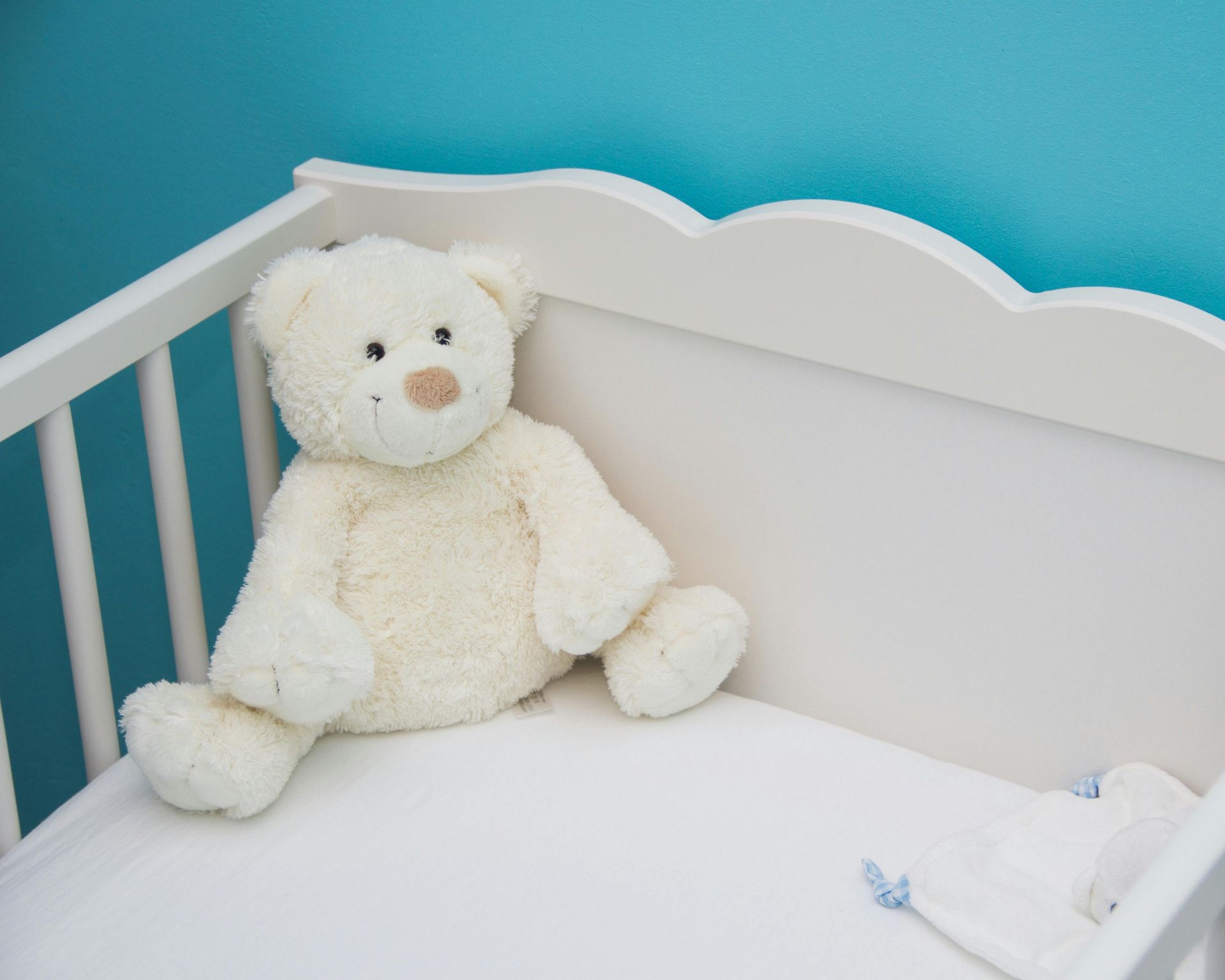
The nursery is one of the first spaces parents prepare, and safety should always come first. 🛏️
🪑 Prioritize Safe Furniture Placement
Position the crib away from windows, curtains, cords, and wall decorations that could pose hazards. Anchor dressers, bookshelves, and changing tables securely to the wall to prevent tipping.
🧺 Choose Functional Storage
Use baskets, bins, and drawer organizers to keep diapers, clothing, and essentials within reach. Labeling storage containers can also help maintain organization as your child grows.
🌙 Create a Calm Environment
Soft lighting, neutral colors, and comfortable seating can help create a soothing atmosphere for both parents and babies. Blackout curtains can improve sleep quality during naps and bedtime.
🔒 Keep Safety Essentials Accessible
Install outlet covers, use cordless window treatments when possible, and regularly inspect the room for potential risks as your baby becomes more mobile.
💡 Pro Tip: Keep a small basket stocked with diapers, wipes, and extra clothes near the changing area for quick access.
Kid-Friendly Backyard Ideas for Outdoor Fun
A backyard can become an extension of your living space and provide children with opportunities for active play and exploration. ☀️
🛝 Design Dedicated Play Zones
Create separate areas for different activities, such as:
- 🎠 Swing sets or play structures
- 🏖️ Sandboxes
- 🎨 Outdoor art stations
- ⚽ Sports and games
🌱 Use Safe Ground Cover
Consider grass, rubber mulch, or other impact-absorbing surfaces beneath play equipment to reduce injury risks.
🎭 Encourage Creative Play
Add features such as:
- 🖍️ Chalkboard walls
- 🌻 Gardening beds for children
- 💦 Water play tables
- 🦋 Nature exploration areas
🌞 Provide Shade and Seating
Install umbrellas, pergolas, or shade sails to protect children from excessive sun exposure while creating comfortable gathering areas for family activities.
💡 Pro Tip: Include a storage bench outdoors to keep toys organized and protected from the weather.
Organizing Playrooms on a Budget
A well-organized playroom helps children find their favorite toys while making cleanup easier for everyone. 🙌
💰 Use Affordable Storage Solutions
Budget-friendly options include:
- 📦 Plastic storage bins
- 🧺 Fabric baskets
- 🗄️ Cube shelving units
- 📚 Repurposed bookshelves
🧸 Sort Toys by Category
Group similar items together:
- 🧱 Building blocks
- 🎨 Arts and crafts supplies
- 📖 Educational toys
- 🧩 Puzzles
- 🤖 Action figures and dolls
This system makes it easier for children to locate and return items after playtime.
🔄 Rotate Toys Regularly
Instead of displaying every toy at once, store some away and rotate them every few weeks. This reduces clutter and keeps children interested in their toys.
📍 Create Activity Stations
Designate specific areas for reading, crafting, building, and imaginative play. Even a small room can feel more organized with clearly defined zones.
💡 Pro Tip: Use clear bins so children can easily see what's inside without creating extra messes.
Storage Solutions for Growing Families
As families grow, so do the number of belongings that need a home. 🏠
📏 Maximize Vertical Space
Install wall shelves, hooks, and pegboards to keep frequently used items accessible without sacrificing floor space.
🛋️ Invest in Multi-Functional Furniture
Look for furniture that serves multiple purposes, such as:
- 🪑 Storage benches
- 🛏️ Beds with built-in drawers
- 📦 Ottomans with hidden compartments
- ☕ Coffee tables with storage shelves
🚪 Organize Entryways
Create a family command center near the entrance with:
- 🧥 Coat hooks
- 👟 Shoe storage
- 🎒 Backpack cubbies
- 📬 Mail organizers
This helps reduce daily clutter and streamlines busy mornings.
🏷️ Label Everything
Labels make it easier for children to participate in keeping the home organized and encourage independence.
💡 Pro Tip: Color-code storage bins for each child to make organization simple and fun.
Childproofing a New Home
Every home should evolve as children grow and become more curious. 👀
📺 Secure Furniture and Appliances
Anchor large furniture pieces and televisions to the wall. Install anti-tip devices where necessary.
⚡ Protect Electrical Outlets
Use outlet covers and keep cords out of reach to minimize electrical hazards.
🚧 Install Safety Gates
Safety gates can help restrict access to stairs and other potentially dangerous areas of the home.
🔐 Lock Away Hazardous Items
Store cleaning supplies, medications, sharp objects, and other dangerous materials in locked cabinets or on high shelves.
🔍 Check for Hidden Hazards
Walk through your home from a child's perspective and identify potential risks, including:
- 📐 Sharp furniture corners
- 🏃 Loose rugs
- 🪟 Blind cords
- 🍷 Accessible breakable items
Regular safety reviews can help ensure your home remains secure as your child develops new skills and abilities.
💡 Pro Tip: Reassess your home's safety every few months as children reach new developmental milestones.
Final Thoughts
Creating child-friendly spaces doesn't require a complete home renovation. 🔨 Small changes in organization, safety, and design can have a significant impact on your family's comfort and well-being. By focusing on practical storage solutions 📦, age-appropriate play areas 🎠, and proactive childproofing 🛡️, you can create a home that supports your children's growth while remaining functional and enjoyable for the entire family.
✨ A thoughtfully designed home not only meets your family's current needs but also adapts as your children grow, helping you make the most of every room for years to come.
🏡💖 After all, the best homes aren't just beautiful—they're designed for the people who live, laugh, learn, and grow inside them. 👨👩👧👦🌟