The Best Time to Sell a Home in the Tri-Valley Area (2026 Guide)
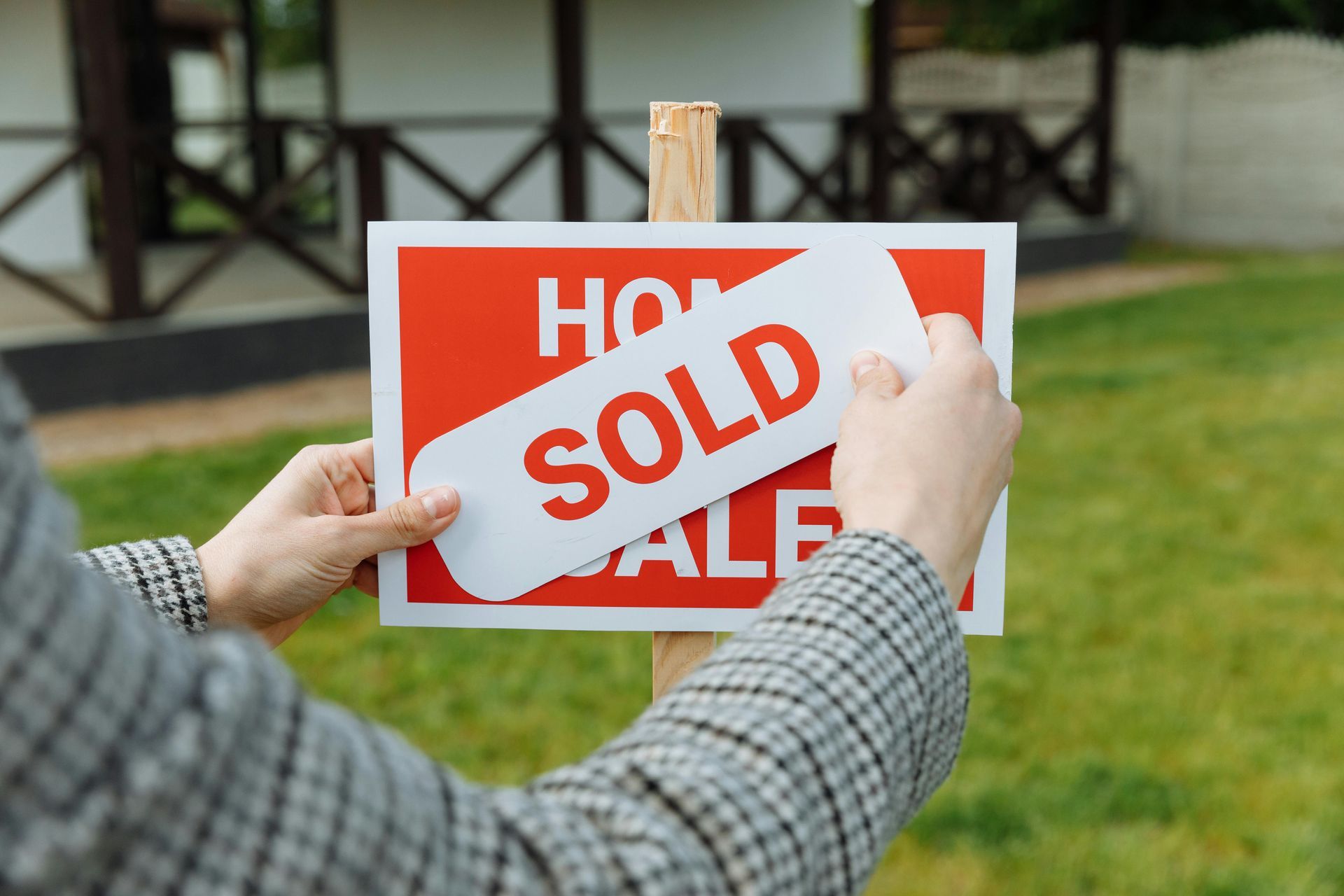
Selling your home in the beautiful Tri-Valley — including Pleasanton, Livermore, Dublin, San Ramon, Danville, and Alamo — is a big decision. One of the most common questions homeowners ask is:
👉 When is the best time to sell my home for the highest price, the most offers, and the smoothest transaction?
While every market and home is different, seasonality and local trends still play a major role in how quickly your home sells and for what price.
🗓️ 1. Early in the Year: January Through March
In much of the East Bay and Bay Area, the first few months of the year — January through early spring — are often a surprisingly strong window for sellers.
- Buyer demand tends to pick up after the holidays, especially from serious buyers ready to settle before spring.
- Inventory is typically lower, which can create more buyer competition and stronger pricing.
- Homes listed in this period often receive a lot of attention because there are fewer total listings compared with peak spring.
👉 Pro tip: Start preparing your home in late fall or early winter so it can hit the market polished and photo-ready by January.
🌸 2. Late Spring — April Through Early June
Traditionally, spring is known as the peak selling season in California:
- Warmer weather improves curb appeal.
- Families want to get moved before summer and the new school year.
- National trends show homes listed in April to early May often sell faster and sometimes at higher prices.
If you list during this window, you may benefit from higher buyer traffic and strong buyer motivation — especially if mortgage rates are favorable.
☀️ 3. Early Summer — June and July Still Strong
Early summer can still be a good time to sell, especially for families with kids who want to move before the school year starts.
- Buyers are still actively searching.
- Weather remains favorable for showings and open houses.
- While competition from other sellers increases somewhat, strong staging and marketing can help your listing stand out.
🍁 4. Fall — A Secondary Opportunity
Fall — especially September and October — can be a quieter but strategic option:
- Buyer competition may be less intense than spring.
- Serious buyers who didn’t find a home earlier in the year are still looking.
- Well-priced homes often attract attention because inventory drops slightly after summer.
However, the season may also bring slower sales pace compared with spring.
🧠 What This Means for Tri-Valley Sellers in 2026
Here’s a quick summary of the most effective selling windows in the Tri-Valley market:
| Season | Why It Works |
|---|---|
| January–March | Lower inventory + motivated buyers = strong outcomes |
| Spring (Apr–Early Jun) | Historic peak selling season; high demand |
| Early Summer (Jun–Jul) | Still a strong market with families moving |
| Fall (Sep–Oct) | Less competition; serious buyers |
🏡 The ideal time for you depends on your priorities — speed, price, or convenience. A local Realtor can help tailor the timing to your home, neighborhood, and personal goals.
📈 Timing Isn’t Everything — Preparation Matters Most
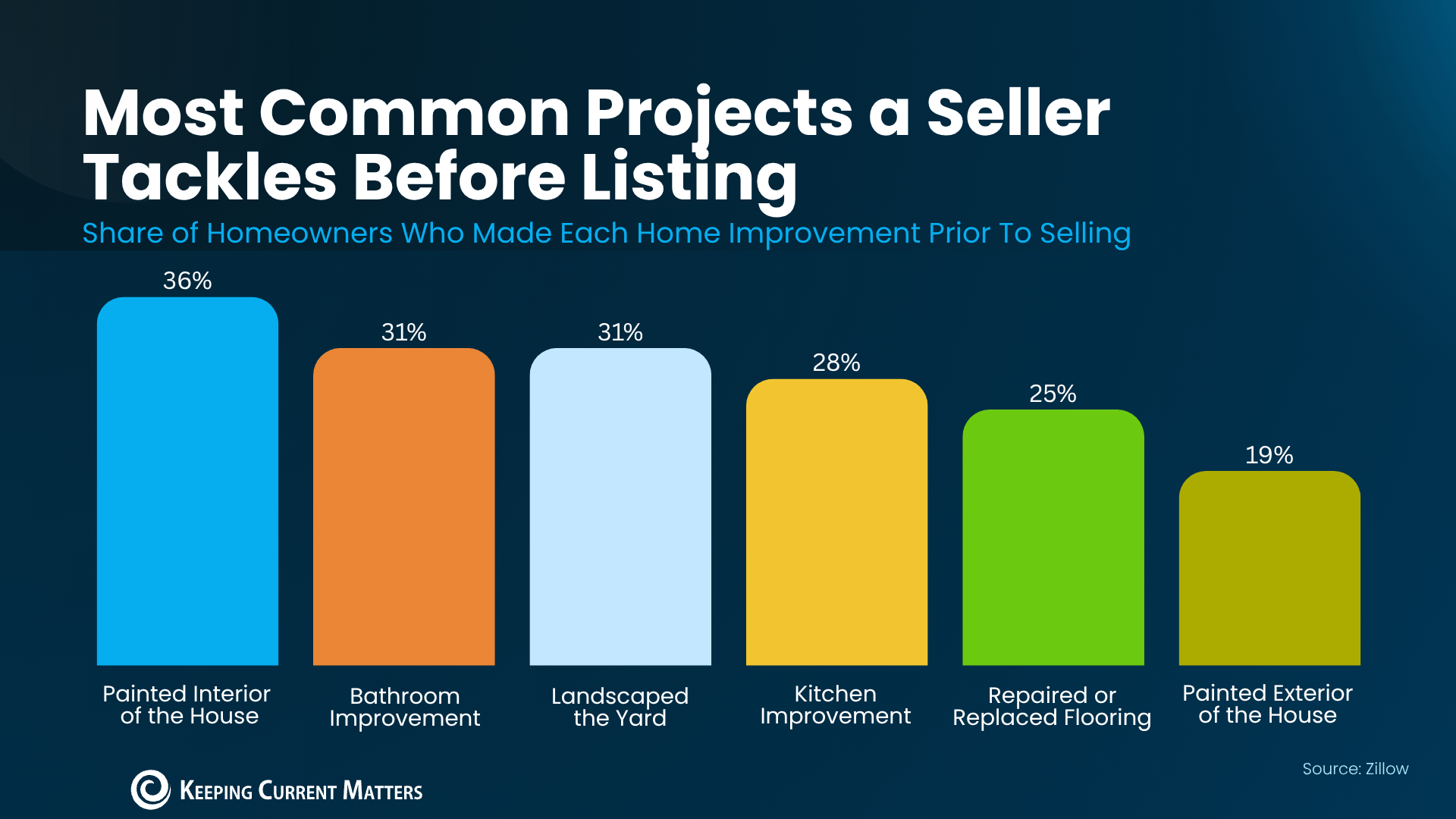
No matter what month you choose to list, these steps will help you maximize your home’s sale price:
✔️ Declutter and depersonalize
✔️ Stage your home for curb appeal
✔️ Correct minor repairs and touch-ups
✔️ Price based on current Tri-Valley market data
✔️ Use high-quality photos and compelling listing descriptions
Well-prepared homes consistently outperform those rushed onto the market.
🧡 Final Thoughts
There’s no single “perfect” day to sell in the Tri-Valley — but understanding seasonal patterns and local buyer behavior can give you a competitive advantage.
If you’re thinking about selling your Tri-Valley home this year, let’s talk strategy. I’ll help you choose the best timing, pricing, and marketing plan to help you sell faster and for more.
📞 Contact me for a free home valuation or custom selling plan.